Termite Treatment & Inspection: Emergency Pest Service
Non-repellent liquid soil barriers, electronic moisture detection, and in-ground baiting systems that eradicate subterranean and drywood termite colonies.
About Our Termite Treatment & Inspection Protocol
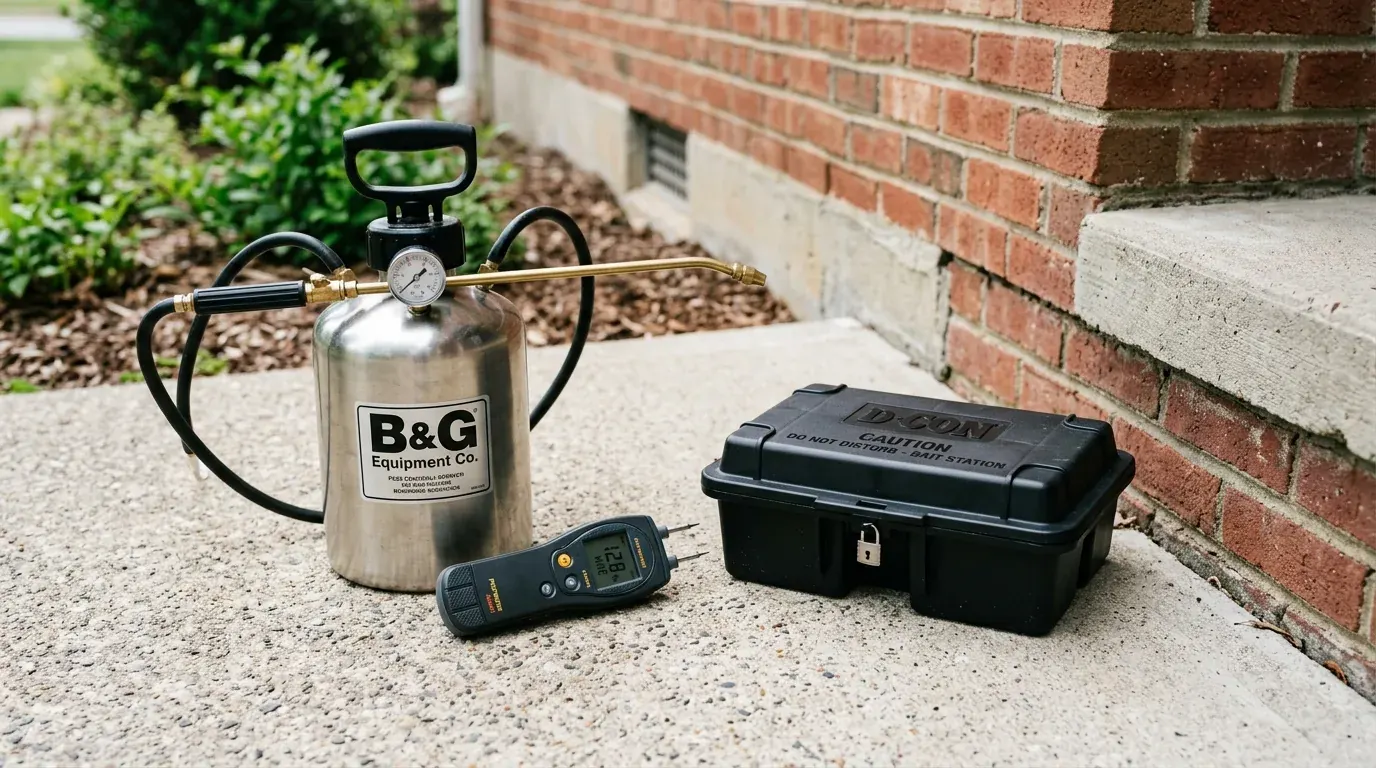
Subterranean termites inflict billions of dollars in structural timber damage annually, quietly hollowing out floor joists, stud walls, and sill plates from the inside out. Because standard homeowner insurance excludes termite destruction, proactive elimination is essential. We trench foundation perimeters to establish continuous non-repellent liquid barriers, inject expanding termiticide foams into active wall voids, and install advanced baiting stations that worker termites transport back to eliminate the reproductive queen.
Core Treatment Features
Continuous Soil Barrier Defense
Trenching and foundation rod injections place non-repellent termiticide barriers directly into soil where subterranean workers travel.
Electronic Moisture Scanning
Acoustic emission sensors and moisture meters pinpoint active termite galleries and damp wall studs without damaging finished drywall.
Colony-Collapsing Bait Stations
Perimeter monitoring stations contain insect growth inhibitors that foraging worker termites distribute throughout the nest to kill the queen.
Precision Foam Wall Injections
Expanding termiticide foams coat hidden plumbing penetrations and structural headers, transferring active ingredients directly onto workers.
Need immediate help with termite treatment & inspection?
Technicians assess infestation symptoms and quote options over the phone.
Frequently Asked Questions: Termite Treatment & Inspection
Stop Active Infestations. Schedule Termite Treatment & Inspection Today.
Contact our team for a fast diagnostic assessment on termite treatment & inspection. We deploy targeted treatments to eliminate the colony.