Emergency Pest Service in Queen Anne, MD
Active pest outbreaks require urgent field intervention. From destructive termites in structural framing to rodents nesting in attic insulation, our dispatch team connects Queen Anne property owners with local exterminators ready to halt infestations.
Emergency Pest Service in Queen Anne, MD
Bed bug infestations inflict severe emotional stress and painful linear bite clusters on residents throughout Queen Anne. Microscopic nymphs hide within mattress welting, headboard screw channels, and electrical junction boxes, emerging strictly during nocturnal sleep cycles. Attempting to eradicate these parasites using store-bought bug bombs merely drives fertile females deeper into wall framing and adjacent rooms.
Chemical resistance among modern bed bug populations makes conventional surface spraying unreliable and prone to sudden rebound cycles. High-output convective thermal remediation circulates dry heat above 122 degrees Fahrenheit, penetrating hollow furniture legs, dense mattresses, and subflooring to coagulate cellular proteins in all developmental stages. This single-treatment heating process destroys heat-tolerant eggs that survive standard chemical treatments.
Thorough room preparation and high-resolution thermal sensors ensure every hidden harborage reaches lethal temperatures simultaneously. Technicians monitor heat distribution across exterior baseboards to confirm zero survivors. Thermal remediation eliminates eggs and nymphs in a single visit without requiring costly furniture disposal, providing families across Queen Anne with immediate relief.
Available Extermination Treatments in Queen Anne
- Emergency Pest Control: Urgent 24/7 field extermination targeting active stinging insect swarms, dangerous spiders, and acute wildlife or crawling insect outbreaks.
- Bed Bug Extermination: Whole-home thermal heat remediation and targeted residual treatments that destroy bed bug nymphs, adults, and microscopic eggs in a single session.
- Rodent & Rat Control: Complete rodent eradication, attic insulation decontamination, and structural entry exclusion sealing for roof rats, Norway rats, and house mice.
- Termite Treatment & Inspection: Non-repellent liquid soil barriers, electronic moisture detection, and in-ground baiting systems that eradicate subterranean and drywood termite colonies.
- Cockroach Control & Removal: Aggressive multi-phase cleanouts utilizing insect growth regulators, microencapsulated residuals, and specialized gel baits for German and American roaches.
Our Treatment Roadmap
Targeted extermination starts by isolating active infestation zones to stop pests from migrating into adjoining living quarters. Field specialists evaluate structural layout, moisture levels, and evidence of gnawing or frass across your Queen Anne building. We then establish an immediate treatment plan utilizing non-repellent baits, desiccant dusts, or thermal heat according to species behavior.
After applying primary colony knockdown treatments, specialists focus on durable structural exclusion. Sealing foundation weep holes, pipe openings, and roofline soffits with heavy-gauge galvanized materials denies pests future entry points. Targeted barrier placements ensure crawling pests cannot establish replacement nesting colonies on properties in Queen Anne.
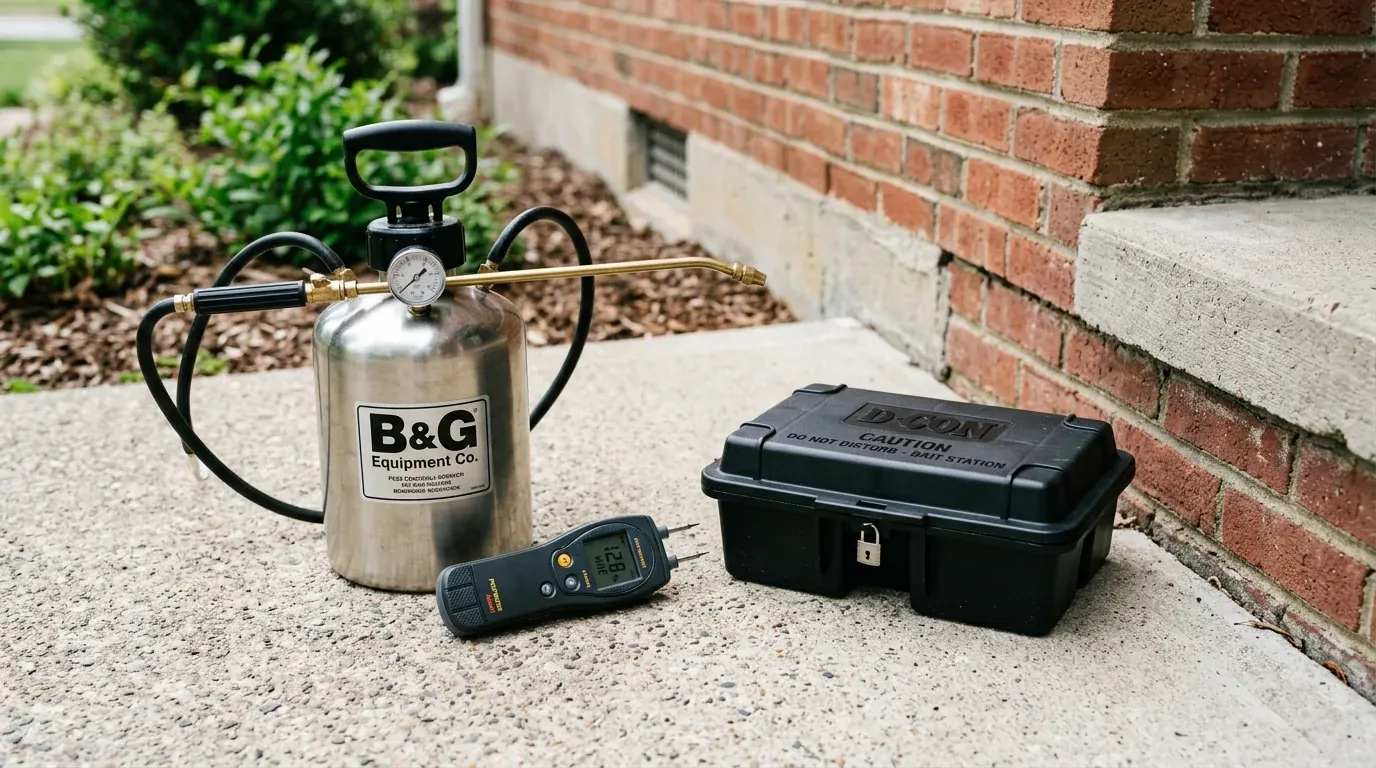
Industry-leading equipment & EPA-registered formulations deployed across Queen Anne:
What property owners in Queen Anne are saying
"Carpenter bees bored dozens of half-inch holes into our exterior cedar fascia boards every spring. The technician treated each gallery individually with residual dust, plugged the entry tunnels with wooden dowels, and stopped further structural boring."
"Termite swarmers dropped hundreds of wings along our living room window ledge during a warm humid spring afternoon. The technician arrived promptly, confirmed subterranean termite activity in the sill plate, and installed an in-ground baiting system around the foundation."
"Thermal bed bug treatment was the only method that finally worked after three failed spray attempts by another company. They monitored wall temperatures with infrared cameras and treated every box spring thoroughly. We have slept peacefully ever since."
Serving Queen Anne, MD
Questions about Pest Control in Queen Anne
Local Services in Prince George's County
Stop Pest Outbreaks in Queen Anne Today
Do not let bed bugs, chewing rodents, or wood-destroying termites multiply. Contact our dispatch desk for fast local treatment.